Buy gyme.eu ?
We are moving the project
gyme.eu .
Are you interested in purchasing the domain
gyme.eu ?
domain@kv-gmbh.de · 0541-91531010
Buy gyme.eu ?
What causes pain after strength training?
Pain after strength training is often caused by micro-tears in the muscle fibers, which occur as a result of the stress placed on the muscles during the workout. This is a normal part of the muscle-building process, as the body repairs and rebuilds the muscle fibers to make them stronger. Additionally, the buildup of lactic acid in the muscles during intense exercise can also contribute to the sensation of pain and soreness. It's important to differentiate between normal muscle soreness and pain caused by injury, and to allow for adequate rest and recovery between workouts to prevent overtraining and excessive soreness. **
What causes chest pain after strength training?
Chest pain after strength training can be caused by a few different factors. One common cause is muscle soreness and inflammation, which can occur when the muscles are pushed beyond their usual limits during a workout. Another potential cause is strained or injured muscles, particularly if proper form was not maintained during the exercises. Additionally, chest pain after strength training could be a sign of an underlying heart condition, especially if the pain is accompanied by other symptoms such as shortness of breath or dizziness. It's important to listen to your body and seek medical attention if the chest pain is severe or persistent. **

Similar search terms for Pain
Top-Angebote
Products related to Pain:
-
Revitive Medic Knee® – Drug-Free Knee Pain Relief to Support Stability, Strength & Movement.gadcet-pdp{--g-green:#00a651;color:#1f2430;line-height:1.55;font-size:inherit;max-width:760px}.gadcet-pdp>*:first-child{margin-top:0}.gadcet-pdp p{margin:0 0.9em}.gadcet-pdp h3{font-size:1.05em;font-weight:600;color:#11161f;margin:1.4em 0.5em;padding-left:.5em;border-left:3px solid var(--g-green);border-radius:0;line-height:1.3}.gadcet-pdp ul{list-style:none!important;margin:0 0.9em;padding:0!important}.gadcet-pdp ul li{position:relative;padding:.1em 0.1em 1.5em;margin:0}.gadcet-pdp ul li::before{content:"";position:absolute;left:.16em;top:.45em;width:.36em;height:.66em;border:solid var(--g-green);border-width:0.14em.14em 0;transform:rotate(45deg)}.gadcet-pdp table{width:100%;border-collapse:collapse;margin:.3em 0 1em;font-size:.95em;border:1px solid #e7e9ee!important;border-radius:8px;overflow:hidden}.gadcet-pdp table td{padding:.5em.8em;border-bottom:1px solid #eef0f4!important;vertical-align:top}.gadcet-pdp table tr:last-child td{border-bottom:0!important}.gadcet-pdp table tr:nth-child(even){background:#f7f9f8}.gadcet-pdp table td:first-child{font-weight:600;color:#454c59;width:40%}@media (max-width:600px){.gadcet-pdp table td:first-child{width:42%}} Support painful knees at home with the Revitive Medic Knee® – a drug-free therapy device that combines targeted NMES thigh-muscle stimulation, circulation-boosting foot pads and TENS body pads to help relieve discomfort and strengthen the muscles that support your knee. Key Features Dedicated Knee Programme designed to stimulate the thigh muscles that support and stabilise the knee Extra-large thigh pads deliver NMES directly to the thigh muscles to help build strength around the joint Foot pads use patented electrical muscle stimulation to activate the calf muscles, helping increase blood flow and relieve aching legs and feet TENS body pads provide temporary targeted pain relief in areas such as the legs, back and shoulders Patented IsoRocker system supports natural foot rocking during muscle contractions Rechargeable and cordless during normal use, so you can treat comfortably around the home Includes a remote control to adjust intensity without bending down Part of Revitive's registered medical-device range, with technology evaluated in clinical studies including work involving Imperial College London Benefits Drug-free approach to managing knee discomfort, without relying solely on painkillers or gels Helps improve strength, stability and support during everyday movement May help reduce swelling in feet and ankles associated with poor circulation Three therapy approaches in one device for broader symptom management Simple seated home treatment – apply the thigh pads or place bare feet on the foot pads and select your intensity What You'll Receive Revitive Medic Knee® device Extra-large thigh pads for the Knee Programme TENS body pads for targeted pain relief Remote control Ideal For Designed with knee pain in mind, including people with conditions such as osteoarthritis, subject to individual...349,00 £*Shipping: 0,00 £Secure redirect to the provider
-
Healfit Counter Arthritis Pain Relief Copper Magnetic Bracelet For Men Health Bangle 3Experience everyday comfort and timeless style with a bracelet designed to support your wellness journey. This copper magnetic bracelet combines premium copper construction with magnetic elements to create a stylish accessory for men seeking natural...66,97 $*Shipping: 0,00 $Secure redirect to the provider
-
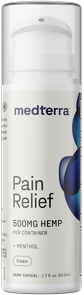
Medterra Pain Relief CreamOur Pain Relief Cream combines the soothing properties of CBD with potent ingredients like menthol and arnica for targeted relief. Our CBD Pain Cream is designed to alleviate discomfort and support recovery, making it a go-to solution for aches and...59,99 $*Shipping: 0,00 $Secure redirect to the provider



-
What are possible causes for severe abdominal pain and coughing after cardio exercise?
Severe abdominal pain and coughing after cardio exercise could be caused by a few different factors. One possibility is that the individual may have strained their abdominal muscles during the exercise, leading to pain and discomfort. Another potential cause could be exercise-induced asthma, which can cause coughing and difficulty breathing during or after physical activity. Additionally, severe abdominal pain and coughing could also be symptoms of a more serious underlying condition such as a respiratory infection or a gastrointestinal issue. It is important for individuals experiencing these symptoms to consult with a healthcare professional to determine the exact cause and receive appropriate treatment. **
-
Can you do strength training despite hip pain?
Yes, it is possible to do strength training despite hip pain, but it is important to approach it carefully and with guidance from a healthcare professional. Depending on the cause of the hip pain, certain exercises may need to be modified or avoided to prevent further discomfort or injury. It is important to focus on exercises that strengthen the muscles around the hip joint, such as the glutes, hamstrings, and quadriceps, while avoiding movements that exacerbate the pain. Additionally, incorporating low-impact activities like swimming or cycling may be beneficial for maintaining strength and mobility while minimizing stress on the hip joint. **
-
How long should one refrain from doing any strength training and cardio exercise?
It is generally recommended to refrain from doing any strength training or intense cardio exercise for at least 48-72 hours after a particularly intense workout to allow the muscles to recover and repair. This rest period is crucial for preventing injury and allowing the body to adapt and grow stronger. However, it is important to listen to your body and adjust the rest period based on how you feel. **
-
What is the full body training plan for fitness, strength, endurance, mobility, and flexibility?
A full body training plan for fitness, strength, endurance, mobility, and flexibility would include a combination of resistance training, cardiovascular exercise, and flexibility/mobility work. This could involve a mix of weightlifting, bodyweight exercises, and functional movements to build strength and endurance. Additionally, incorporating activities such as running, cycling, or swimming can improve cardiovascular fitness. Including yoga, stretching, and mobility exercises can help improve flexibility and range of motion. It's important to vary the intensity and focus of workouts to ensure a well-rounded approach to overall fitness. **


"Despite back pain, can I still do strength training?"
Yes, you can still do strength training despite experiencing back pain, but it's important to approach it carefully. It's crucial to consult with a healthcare professional or a physical therapist to determine the cause of your back pain and to receive guidance on the appropriate exercises and techniques to avoid exacerbating the pain. Additionally, focusing on exercises that strengthen the core and back muscles, as well as maintaining proper form and using lighter weights, can help alleviate back pain and prevent further injury. Listening to your body and adjusting your routine as needed is key to safely incorporating strength training into your fitness regimen. **
Despite back pain, should I still do strength training?
Yes, you can still do strength training with back pain, but it is important to proceed with caution and consult with a healthcare professional or a certified trainer before starting any new exercise routine. They can help you modify exercises to avoid exacerbating your back pain and recommend specific exercises that can help strengthen the muscles supporting your back. It is crucial to listen to your body, start slowly, and gradually increase intensity to prevent further injury. **
Top-Angebote
Products related to Pain:
-
HARPERCOLLINS Clean Eating Alice: Everyday Fitness – Healthy Recipes & Practical Workout Guide for Everyday Wellness by Alice Liveing – Workout & Nutrition GuideTransform your approach to health and fitness with Clean Eating Alice Everyday Fitness: Train Smart, Eat Well and Get the Body You Love by Alice Liveing. This practical, motivating guide combines smart training principles with balanced nutrition to help readers build strength, confidence, and sustainable healthy habits. Alice Liveing shares structured workout plans, approachable meal ideas, and realistic lifestyle advice designed to fit everyday routines — no extremes or quick fixes required. Focused on long-term wellbeing rather than short-term dieting, the book empowers readers to develop a positive relationship with food and exercise while working toward personal fitness goals. Whether you’re new to training or refining your routine, this guide offers clear, supportive direction for lasting results. Why Readers Love This Book: Structured fitness training plans for real-life schedules Balanced nutrition guidance — no fad dieting Encourages sustainable, long-term habits Motivational, beginner-friendly tone Ideal for home or gym-based workouts A smart, accessible roadmap to healthier living, Clean Eating Alice Everyday Fitness helps readers feel strong, energized, and confident.2,80 £*Shipping: 1,99 £Secure redirect to the provider
-
Medterra Pain Relief CreamOur Pain Relief Cream combines the soothing properties of CBD with potent ingredients like menthol and arnica for targeted relief. Our CBD Pain Cream is designed to alleviate discomfort and support recovery, making it a go-to solution for aches and...39,99 $*Shipping: 0,00 $Secure redirect to the provider
-
Revitive Medic Knee® – Drug-Free Knee Pain Relief to Support Stability, Strength & Movement.gadcet-pdp{--g-green:#00a651;color:#1f2430;line-height:1.55;font-size:inherit;max-width:760px}.gadcet-pdp>*:first-child{margin-top:0}.gadcet-pdp p{margin:0 0.9em}.gadcet-pdp h3{font-size:1.05em;font-weight:600;color:#11161f;margin:1.4em 0.5em;padding-left:.5em;border-left:3px solid var(--g-green);border-radius:0;line-height:1.3}.gadcet-pdp ul{list-style:none!important;margin:0 0.9em;padding:0!important}.gadcet-pdp ul li{position:relative;padding:.1em 0.1em 1.5em;margin:0}.gadcet-pdp ul li::before{content:"";position:absolute;left:.16em;top:.45em;width:.36em;height:.66em;border:solid var(--g-green);border-width:0.14em.14em 0;transform:rotate(45deg)}.gadcet-pdp table{width:100%;border-collapse:collapse;margin:.3em 0 1em;font-size:.95em;border:1px solid #e7e9ee!important;border-radius:8px;overflow:hidden}.gadcet-pdp table td{padding:.5em.8em;border-bottom:1px solid #eef0f4!important;vertical-align:top}.gadcet-pdp table tr:last-child td{border-bottom:0!important}.gadcet-pdp table tr:nth-child(even){background:#f7f9f8}.gadcet-pdp table td:first-child{font-weight:600;color:#454c59;width:40%}@media (max-width:600px){.gadcet-pdp table td:first-child{width:42%}} Support painful knees at home with the Revitive Medic Knee® – a drug-free therapy device that combines targeted NMES thigh-muscle stimulation, circulation-boosting foot pads and TENS body pads to help relieve discomfort and strengthen the muscles that support your knee. Key Features Dedicated Knee Programme designed to stimulate the thigh muscles that support and stabilise the knee Extra-large thigh pads deliver NMES directly to the thigh muscles to help build strength around the joint Foot pads use patented electrical muscle stimulation to activate the calf muscles, helping increase blood flow and relieve aching legs and feet TENS body pads provide temporary targeted pain relief in areas such as the legs, back and shoulders Patented IsoRocker system supports natural foot rocking during muscle contractions Rechargeable and cordless during normal use, so you can treat comfortably around the home Includes a remote control to adjust intensity without bending down Part of Revitive's registered medical-device range, with technology evaluated in clinical studies including work involving Imperial College London Benefits Drug-free approach to managing knee discomfort, without relying solely on painkillers or gels Helps improve strength, stability and support during everyday movement May help reduce swelling in feet and ankles associated with poor circulation Three therapy approaches in one device for broader symptom management Simple seated home treatment – apply the thigh pads or place bare feet on the foot pads and select your intensity What You'll Receive Revitive Medic Knee® device Extra-large thigh pads for the Knee Programme TENS body pads for targeted pain relief Remote control Ideal For Designed with knee pain in mind, including people with conditions such as osteoarthritis, subject to individual...349,00 £*Shipping: 0,00 £Secure redirect to the provider
-
Healfit Counter Arthritis Pain Relief Copper Magnetic Bracelet For Men Health Bangle 3Experience everyday comfort and timeless style with a bracelet designed to support your wellness journey. This copper magnetic bracelet combines premium copper construction with magnetic elements to create a stylish accessory for men seeking natural...66,97 $*Shipping: 0,00 $Secure redirect to the provider
-
What causes pain after strength training?
Pain after strength training is often caused by micro-tears in the muscle fibers, which occur as a result of the stress placed on the muscles during the workout. This is a normal part of the muscle-building process, as the body repairs and rebuilds the muscle fibers to make them stronger. Additionally, the buildup of lactic acid in the muscles during intense exercise can also contribute to the sensation of pain and soreness. It's important to differentiate between normal muscle soreness and pain caused by injury, and to allow for adequate rest and recovery between workouts to prevent overtraining and excessive soreness. **
-
What causes chest pain after strength training?
Chest pain after strength training can be caused by a few different factors. One common cause is muscle soreness and inflammation, which can occur when the muscles are pushed beyond their usual limits during a workout. Another potential cause is strained or injured muscles, particularly if proper form was not maintained during the exercises. Additionally, chest pain after strength training could be a sign of an underlying heart condition, especially if the pain is accompanied by other symptoms such as shortness of breath or dizziness. It's important to listen to your body and seek medical attention if the chest pain is severe or persistent. **
-
What are possible causes for severe abdominal pain and coughing after cardio exercise?
Severe abdominal pain and coughing after cardio exercise could be caused by a few different factors. One possibility is that the individual may have strained their abdominal muscles during the exercise, leading to pain and discomfort. Another potential cause could be exercise-induced asthma, which can cause coughing and difficulty breathing during or after physical activity. Additionally, severe abdominal pain and coughing could also be symptoms of a more serious underlying condition such as a respiratory infection or a gastrointestinal issue. It is important for individuals experiencing these symptoms to consult with a healthcare professional to determine the exact cause and receive appropriate treatment. **
-
Can you do strength training despite hip pain?
Yes, it is possible to do strength training despite hip pain, but it is important to approach it carefully and with guidance from a healthcare professional. Depending on the cause of the hip pain, certain exercises may need to be modified or avoided to prevent further discomfort or injury. It is important to focus on exercises that strengthen the muscles around the hip joint, such as the glutes, hamstrings, and quadriceps, while avoiding movements that exacerbate the pain. Additionally, incorporating low-impact activities like swimming or cycling may be beneficial for maintaining strength and mobility while minimizing stress on the hip joint. **
Similar search terms for Pain
-
Medterra Pain Relief CreamOur Pain Relief Cream combines the soothing properties of CBD with potent ingredients like menthol and arnica for targeted relief. Our CBD Pain Cream is designed to alleviate discomfort and support recovery, making it a go-to solution for aches and...59,99 $*Shipping: 0,00 $Secure redirect to the provider
-
Healfit Counter Arthritis Pain Relief Copper Magnetic Bracelet For Men Health Bangle 2Experience everyday comfort and timeless style with a bracelet designed to support your wellness journey. This copper magnetic bracelet combines premium copper construction with magnetic elements to create a stylish accessory for men seeking natural...61,97 $*Shipping: 0,00 $Secure redirect to the provider
-
Healfit Counter Arthritis Pain Relief Copper Magnetic Bracelet For Men Health Bangle 4Experience everyday comfort and timeless style with a bracelet designed to support your wellness journey. This copper magnetic bracelet combines premium copper construction with magnetic elements to create a stylish accessory for men seeking natural...88,97 $*Shipping: 0,00 $Secure redirect to the provider
-
How long should one refrain from doing any strength training and cardio exercise?
It is generally recommended to refrain from doing any strength training or intense cardio exercise for at least 48-72 hours after a particularly intense workout to allow the muscles to recover and repair. This rest period is crucial for preventing injury and allowing the body to adapt and grow stronger. However, it is important to listen to your body and adjust the rest period based on how you feel. **
-
What is the full body training plan for fitness, strength, endurance, mobility, and flexibility?
A full body training plan for fitness, strength, endurance, mobility, and flexibility would include a combination of resistance training, cardiovascular exercise, and flexibility/mobility work. This could involve a mix of weightlifting, bodyweight exercises, and functional movements to build strength and endurance. Additionally, incorporating activities such as running, cycling, or swimming can improve cardiovascular fitness. Including yoga, stretching, and mobility exercises can help improve flexibility and range of motion. It's important to vary the intensity and focus of workouts to ensure a well-rounded approach to overall fitness. **
-
"Despite back pain, can I still do strength training?"
Yes, you can still do strength training despite experiencing back pain, but it's important to approach it carefully. It's crucial to consult with a healthcare professional or a physical therapist to determine the cause of your back pain and to receive guidance on the appropriate exercises and techniques to avoid exacerbating the pain. Additionally, focusing on exercises that strengthen the core and back muscles, as well as maintaining proper form and using lighter weights, can help alleviate back pain and prevent further injury. Listening to your body and adjusting your routine as needed is key to safely incorporating strength training into your fitness regimen. **
-
Despite back pain, should I still do strength training?
Yes, you can still do strength training with back pain, but it is important to proceed with caution and consult with a healthcare professional or a certified trainer before starting any new exercise routine. They can help you modify exercises to avoid exacerbating your back pain and recommend specific exercises that can help strengthen the muscles supporting your back. It is crucial to listen to your body, start slowly, and gradually increase intensity to prevent further injury. **
* All prices are inclusive of VAT and, if applicable, plus shipping costs. The offer information is based on the details provided by the respective shop and is updated through automated processes. Real-time updates do not occur, so deviations can occur in individual cases. ** Note: Parts of this content were created by AI.